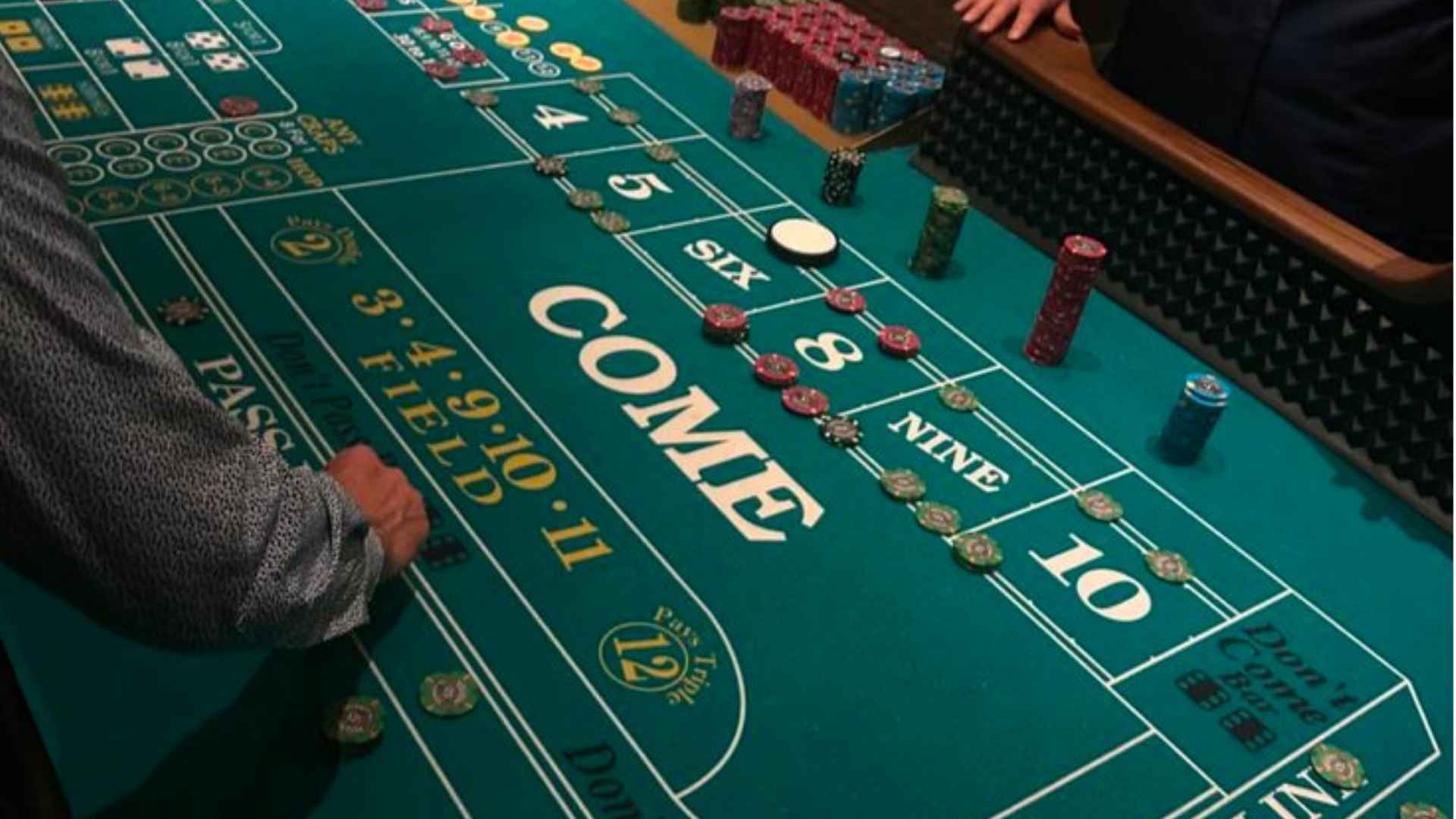
Poker is a dynamic game of strategy where psychological control separates successful players from those who consistently struggle. One of the most destructive behavioral patterns at the table is the sudden urge to win back chips immediately after a significant defeat. Fulfilling the mandate to avoid chasing losses is often the defining factor that protects your remaining bankroll from a total downswing.
The Psychology Behind Loss Chasing
When a player experiences a bad beat, the brain often responds with emotional frustration rather than logical analysis. This state of mind blocks rational decision-making and forces individuals to take unwarranted risks out of pure desperation. Recognizing this emotional shift early allows you to safeguard your funds before making costly strategic blunders.
Many card enthusiasts mistakenly believe that the next hand will naturally reverse their recent poor fortune. However, cards carry no memory of previous rounds, meaning each deal is completely independent of past outcomes. Shifting away from this flawed mindset is crucial for maintaining long-term sustainability at the competitive tables.
How Emotional Distress Damages Strategy
Under the influence of frustration, a player frequently expands their starting hand requirements far beyond reasonable limits. They begin entering pots with marginal combinations that should easily be folded from early positions. This loose approach inevitably leads to difficult post-flop scenarios against highly observant opponents who notice the tactical lapse.
Furthermore, emotional players tend to increase their betting sizes dramatically to force quick results. This erratic behavior signals clear vulnerability to seasoned veterans who are waiting to exploit aggressive moves. Finding a reliable platform to practice disciplined adjustments, such as using m88 link 2, helps develop a much more resilient operational framework.
Practical Steps to Maintain Table Discipline
Establishing strict financial boundaries before joining any live or online game is an excellent preventive measure. Setting a clear loss limit ensures that you leave the table automatically when a session turns unfavorable. Adhering to these structural boundaries removes emotional guesswork from your everyday bankroll management.
Taking regular physical breaks after an intense hand also helps restore analytical clarity. Walking away from the felt for a few minutes cools down adrenaline levels and resets your strategic perspective. Returning with a calm mind guarantees that your subsequent choices are backed by mathematical reasoning instead of panic.
Embracing a Process Oriented Mindset
True professional growth comes from evaluating the quality of your decisions rather than focusing entirely on short-term monetary outcomes. Even perfectly executed strategies can occasionally lose due to natural game variance. Accepting this mathematical reality prevents you from taking temporary setbacks personally during difficult runs.
By treating every expensive mistake as a valuable educational milestone, you steadily elevate your competitive edge. Consistently choosing logic over emotion transforms chaotic sessions into manageable encounters. Protecting your chips today ensures you retain the capital required to capitalize on profitable opportunities tomorrow.