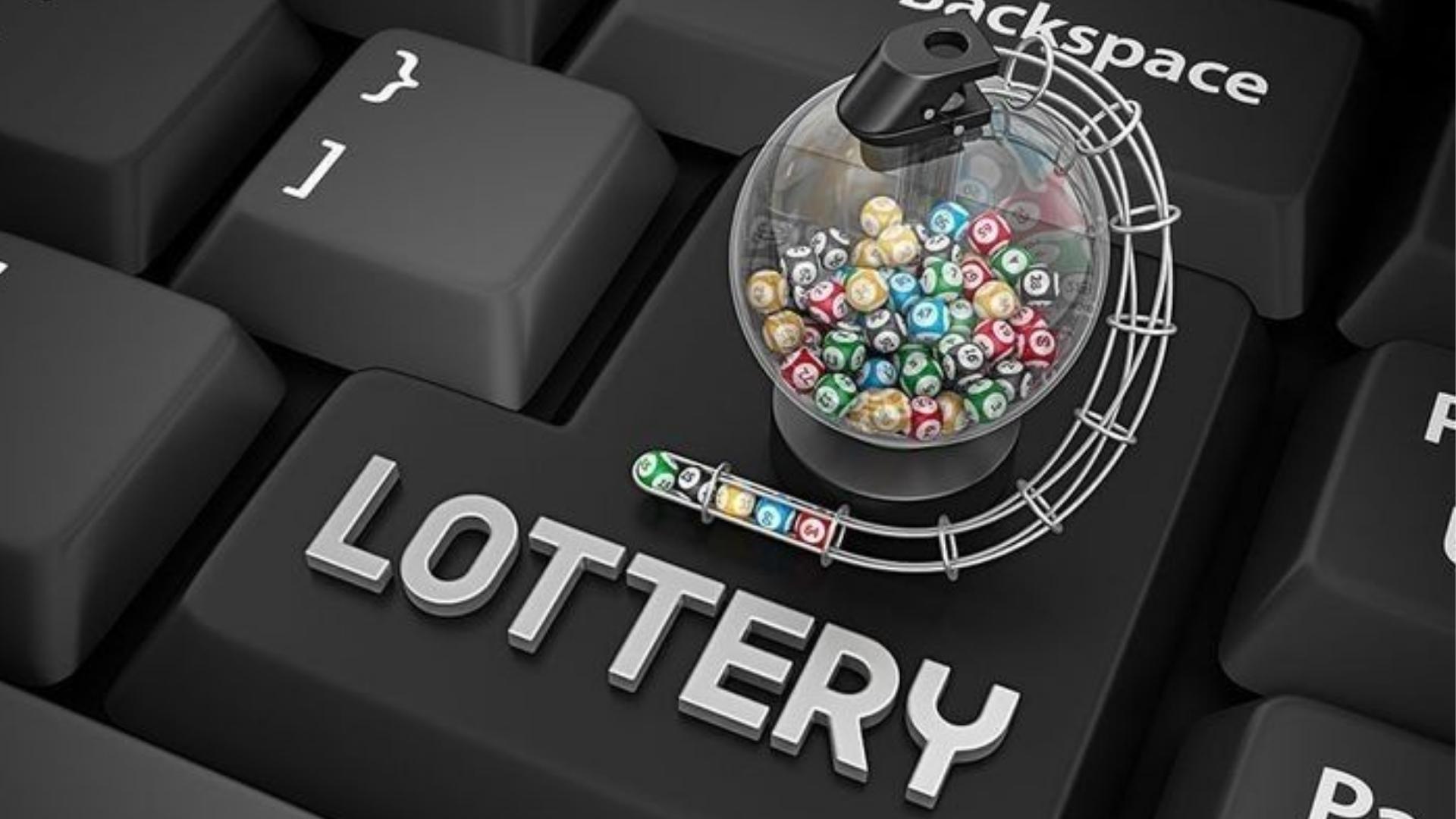
Human life is filled with unexpected developments that constantly alter our daily plans and emotional baselines. While some deviations from our expectations bring sudden delight, others leave us dealing with immediate disappointment. Understanding why identical levels of uncertainty can produce completely opposite emotional experiences helps us navigate the unpredictable nature of modern entertainment and decision-making.
The Psychology of Expectation and Control
The distinction between joy and annoyance often depends on a person's initial sense of personal agency. When an individual willingly steps into a scenario with a flexible mindset, any unexpected twist feels like a playful bonus. However, when someone expects a specific return on investment, a sudden deviation triggers immediate internal friction.
Psychological studies suggest that our brains process unexpected events based on perceived fairness and transparency. If a system feels honest, a sudden twist is welcomed as an exciting moment of genuine chance. When the rules appear unclear, that same variance is interpreted as an unfair setback.
How Entertainment Systems Manage Variance
Modern gaming platforms and digital environments spend significant time balancing these two emotional extremes for their participants. Creating a system that delivers continuous engagement requires keeping the potential outcomes visible and statistically straightforward. This clarity ensures that when a participant experiences a loss, they view it as part of the game rather than a personal penalty.
Engaging digital interfaces, such as checking a live leaderboard or placing an m88 bet, rely on structured transparency to keep players comfortable with risk. When the mechanics remain clear, the journey remains entertaining regardless of the immediate mathematical result. Proper design always transforms potential frustration into sustainable, interactive suspense.
The Role of Clear Feedback Loops
Sensory cues like colorful animations and responsive audio design play a vital role in how we interpret sudden surprises. A system that communicates outcomes immediately allows the human mind to process information and adapt without unnecessary lingering confusion. Delayed or ambiguous feedback loops are major contributors to user irritation during random selection events.
When an outcome is delivered cleanly, individuals can easily contextualize their luck and plan their next movement. This rapid processing prevents minor structural disruptions from growing into major points of exhaustion. Clear presentation turns simple variance into something approachable and highly repeatable.
Reframing the Value of Unpredictable Moments
Ultimately, developing a healthy relationship with unpredictable systems requires recognizing that variance is an inherent part of any engaging design. Embracing a casual approach to minor daily choices allows individuals to enjoy the natural suspense of chance. This shift in perspective ensures that every unexpected turn provides a memorable highlight rather than an irritating obstacle.
By understanding the fine line between anticipation and entitlement, we can better appreciate interactive platforms. True entertainment thrives on the balance of hidden variables and structured mechanics. Learning to navigate this boundary makes every casual interaction far more rewarding over time.